

Cadets should expect a rigorous academic environment with VMI’s Academic Program.
It encourages life-long learning and develops citizens of character who anticipate, respond, and lead in a complex and changing world. The program is also designed to cultivate the characteristics of a VMI graduate.
VMI’s core curriculum enables cadets to communicate effectively, process information, solve problems, appreciate cultures, and dedicate their lives to public service.
The Vision
The VMI Academic Program includes:
- Curriculum – VMI offers cadets a challenging four-year core curriculum and fourteen nationally recognized majors in engineering, sciences, and the humanities with an array of enrichment opportunities provided through the Institute Honors Program, undergraduate research, foreign study, internships, and the Institute Writing Program.
- Cadets – VMI recruits, develops, and graduates cadets of exceptional talent, intellectual curiosity, and character, who possess a commitment to service and respect for others.
- Faculty – Ninety-eight percent of the VMI faculty hold Ph.D.’s. Our faculty is renowned for teaching excellence, mentorship of students, scholarly engagement, commitment to service, and encouragement of undergraduate research. Small class sizes enable faculty to interact closely with cadets both inside and outside of the classroom.
- Environment – The VMI environment includes state-of-the-art facilities, equipment, technologies, and instructional materials, first-class programs of academic support, and an organizational climate characterized by collegiality, cooperation, and respect.
Want to learn more? Review VMI’s core curriculum’s program goals and learning outcomes.
Core Curriculum
Key Competencies
Written Communication – 6 hours
- ERH-101 – Introduces the essential principles of rhetoric, develops cadets’ ability to analyze complex texts rhetorically, and refines their writing strategies, paying special attention to their critical reflection on their writing processes.
- ERH-102 – Engages cadets in reading, thinking, and writing about contemporary civic issues from a rhetorical perspective.
Oral Communication – 1 hour
- ERH-103 – introduces basic rhetorical theory and teaches cadets to consider audience, purpose, context, and occasion as both speakers and listeners.
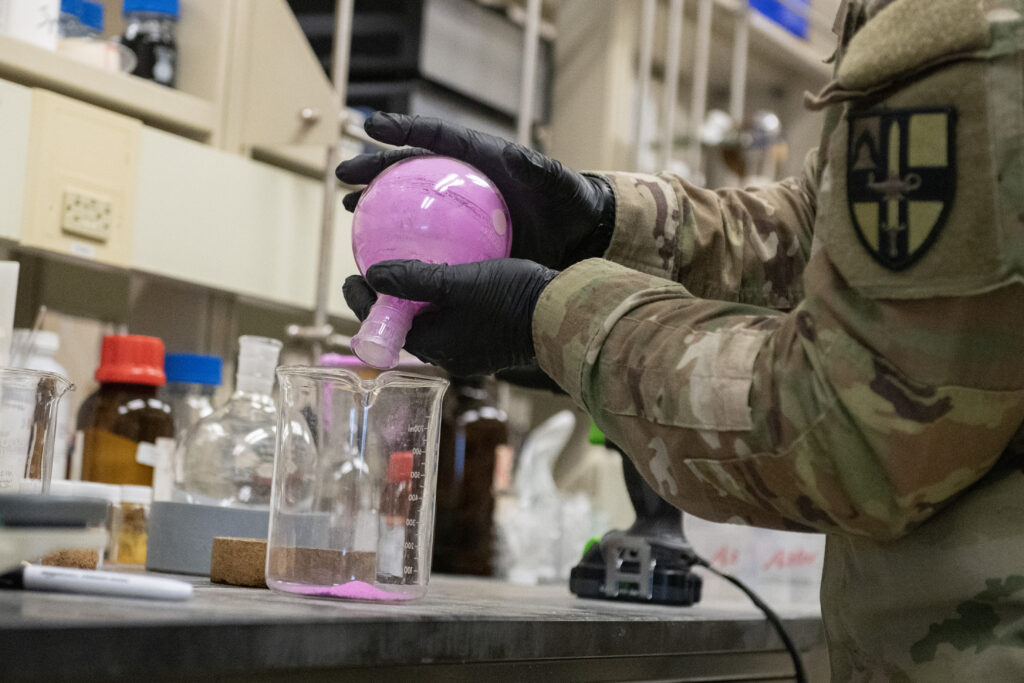
Scientific Analysis – 8 hours
- An approved sequence in biology, chemistry, or physics is required, but differs by major.
Mathematical Reasoning – 6 hours
- An approved math sequence is required, but differs by major.
Physical Education – 4 hours
- At VMI all cadets are required to take seven semesters of human performance and wellness classes.
Foundations of Citizenship and Leadership
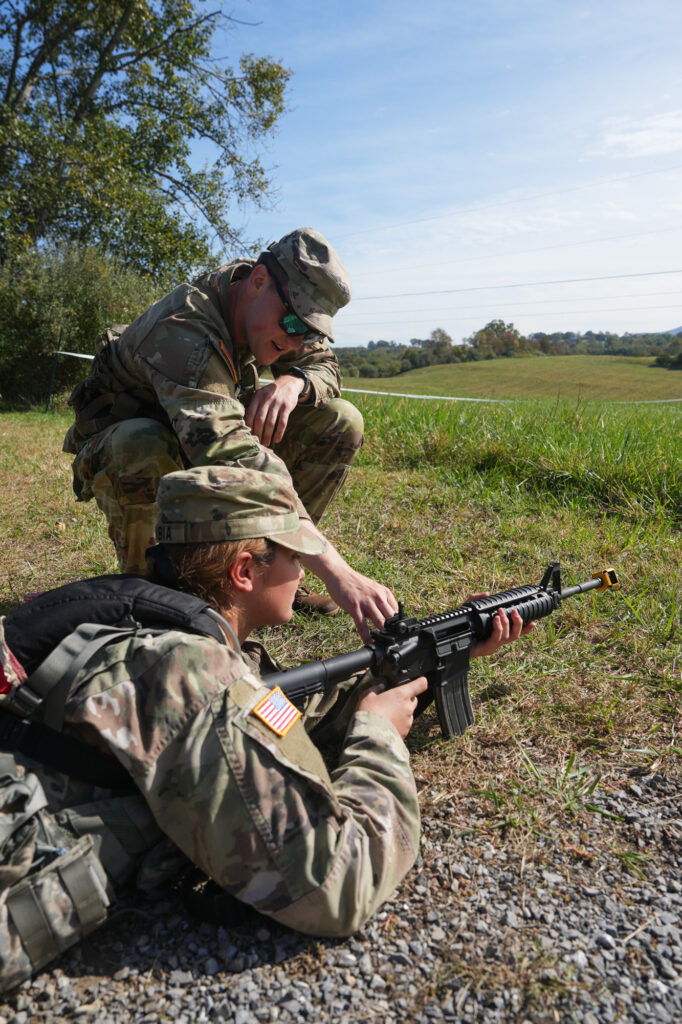
Reserve Officers Training Corps (ROTC) – 12 hours
- Every cadet at VMI is required to participate in 4 years of ROTC courses and physical training. Cadets who do not plan to commission will be enrolled in Army ROTC.
Leadership in Organizations – 3 hours
- The interdisciplinary LEAD 344 course focuses on leadership in an organizational context, integrating theory and practice. Cadets learn how to influence subordinates indirectly through organizational systems and procedures, organizational culture, and ethical climate. The course also encourages cadets to reflect upon and apply their knowledge to their experiences as leaders and followers in the Corps of Cadets and ROTC curricula.
Perspectives on Civilization and Human Achievement
World History – 6 hours
- HI-103 – A study of the world’s major civilizations prior to 1500, concentrating on their primary values and institutions, and their cultural contacts.
- HI-104 – A study of the world’s major civilizations since 1500, the rise and expanding influence of the West, and the interaction between the West and non-West.
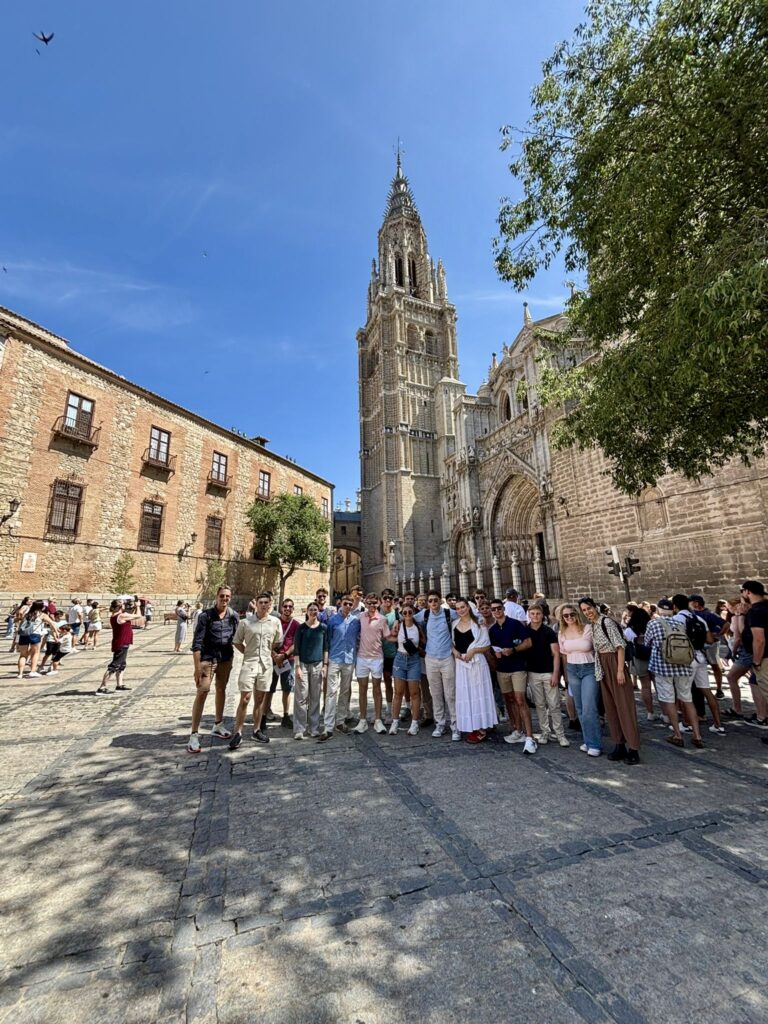
Civilizations and Cultures
- 2 courses, one of which may be replaced by a credit-bearing, Institute-approved study abroad experience.
Integrative Experiences
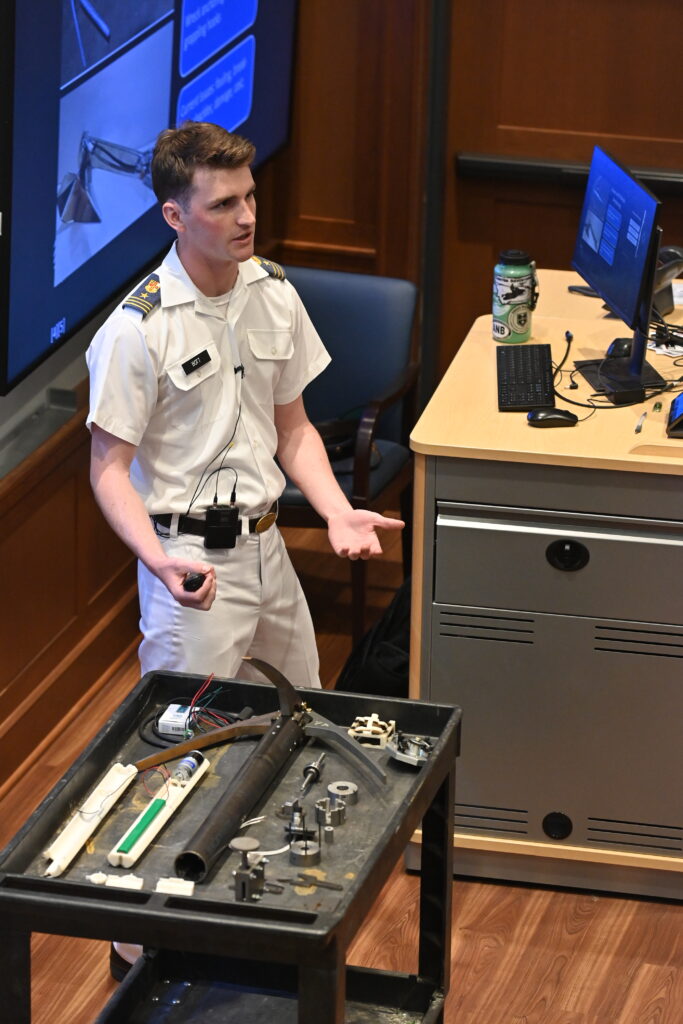
Writing-Intensive Courses
- VMI requires 2 courses, one of which must be in the cadet’s major.
Capstone Experience
- The scope and requirements vary based on cadet major.
More details about each course listed above, and possible prerequisites, can be found in the academic catalog. Applicants and cadets should also review how Advanced Placement course and dual enrollment may affect their individual course plans.
Want to learn more about VMI?
Connect with the admissions team today to receive information about the Institute.
Ready to accept the challenge?
Applications open Aug. 1 each year for high school seniors and transfer students.